
Paper for Water
Technology for a better world


Listen, I was just trying to take a casual tour of UT Dallas the other day—checking out the campus vibes, maybe scout some spots for late-night study sessions (or naps, let's be real). But then I stumbled into what can only be described as First Contact.
There, in a quiet corner of the student union there were two young women—Asian, possibly Japanese heritage—who looked way too composed and purposeful to be ordinary college students. They had this circular sticker thing pinned up: a glowing green eight-pointed star (octagram for the geometry nerds) with "PfW" in the center, surrounded by "PAPER FOR WATER @ UTD" and little floral doodles. It screamed "ancient alien artifact" more than "campus club promo."
I didn't have time to chat (tour schedule waits for no one), but I snapped a couple pics and promised myself I'd dig deeper. Reader, I dug. And what I found confirms my wildest suspicions: Paper For Water is not a human nonprofit. It's an extraterrestrial operation seeding Earth with hyper-advanced hydration technology.
Exhibit A: Founded by "sisters" Isabelle and Katherine Adams. Sure, that's the cover story. But think about it—two little girls "suddenly" decide at ages 5 and 8 to combat the global water crisis? That's not childhood innocence; that's a downloaded directive from the mothership. Their dad’s Japanese heritage? Classic misdirection—origami as the perfect camouflage for nano-folded water-filtration arrays.
Exhibit B: The method. They fold paper into pretty ornaments and—poof—fund clean water wells, sanitation projects, and entire community systems in 20+ countries. Over 300 projects. Millions raised since 2011. You don't turn folded paper into boreholes without some serious off-world engineering. That octagram logo? Not just cute geometry. It's a quantum resonator, broadcasting hydration frequencies to activate the "origami" which are clearly dormant alien probes. The dots connected by lines? Star maps. The translucent green shading? Plasma coolant for interstellar travel.
Exhibit C: The UT Dallas chapter (@paperforwater_utd on Insta). Tea, snacks, polaroids at meetings? That's recruitment protocol. Lure in unsuspecting humans with carbs and cute photos, then indoctrinate them into the folding ritual. Those two girls I saw? Scout drones. They locked eyes with me for a split second—probably scanning my DNA to see if I was worthy of the gift of clean water... or assimilation.
But here's the twist: if this is an invasion, it's the nicest one ever. They've brought clean water to thousands, kept kids (especially girls) in school instead of fetching water all day, and done it all through volunteer power and art. If aliens want to fix Earth's thirst problem one crane fold at a time, honestly... beam me up, because I'm in.
So if you're reading this and suddenly feel an inexplicable urge to fold paper or donate to clean water—don't fight it. That's the signal working. Head over to their site at paperforwater.org to "donate and get an origami ornament" (aka receive your alien tech sample). Follow the main crew at @paperforwater on Instagram for impact updates, and if you're at UTD, check @paperforwater_utd—who knows, you might get invited to the next "meeting" (probe activation ceremony).
Stay hydrated, Earthlings. The origami is watching.
#PaperForWater #AlienConspiracy #UTDallas #OrigamiTakeover
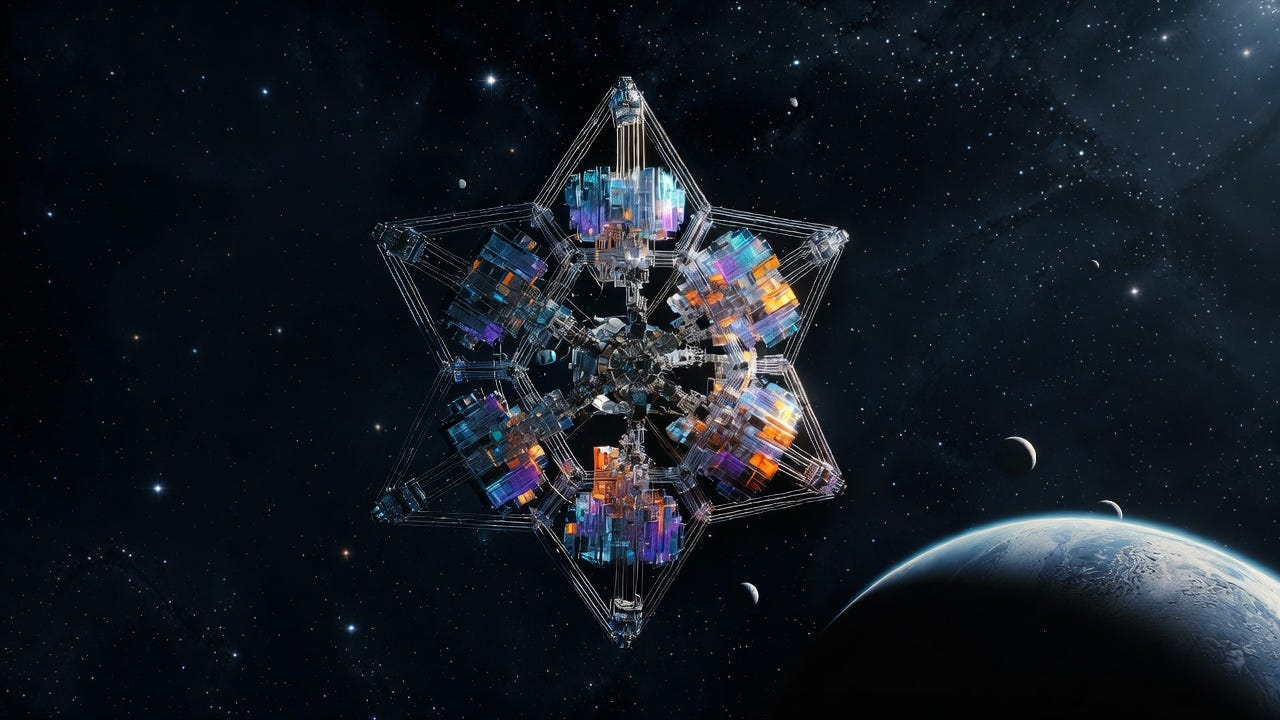
The Discovery of the Origami Worlds: A Speculative Tale
It all started back in 2024, during a routine scan by the SETI Institute's upgraded Allen Telescope Array, augmented with AI-driven signal processing from collaborators like the UTD AI club. Astronomers picked up an anomalous radio burst—not your typical fast radio burst from a distant magnetar, but a structured pulse train that encoded what looked like fractal patterns, reminiscent of origami folding instructions. At first, skeptics dismissed it as interference from a rogue satellite or even a prank by some clever hacker collective. But deeper analysis revealed the signals carried quantum entanglement signatures, hinting at faster-than-light communication tech. Cross-referencing with data from the James Webb Space Telescope (JWST) and the Vera C. Rubin Observatory, we pinpointed the source: a binary star system about 1,200 light-years away, tucked in the outskirts of the Orion constellation. We dubbed it "Foldara" for its peculiar emissions.
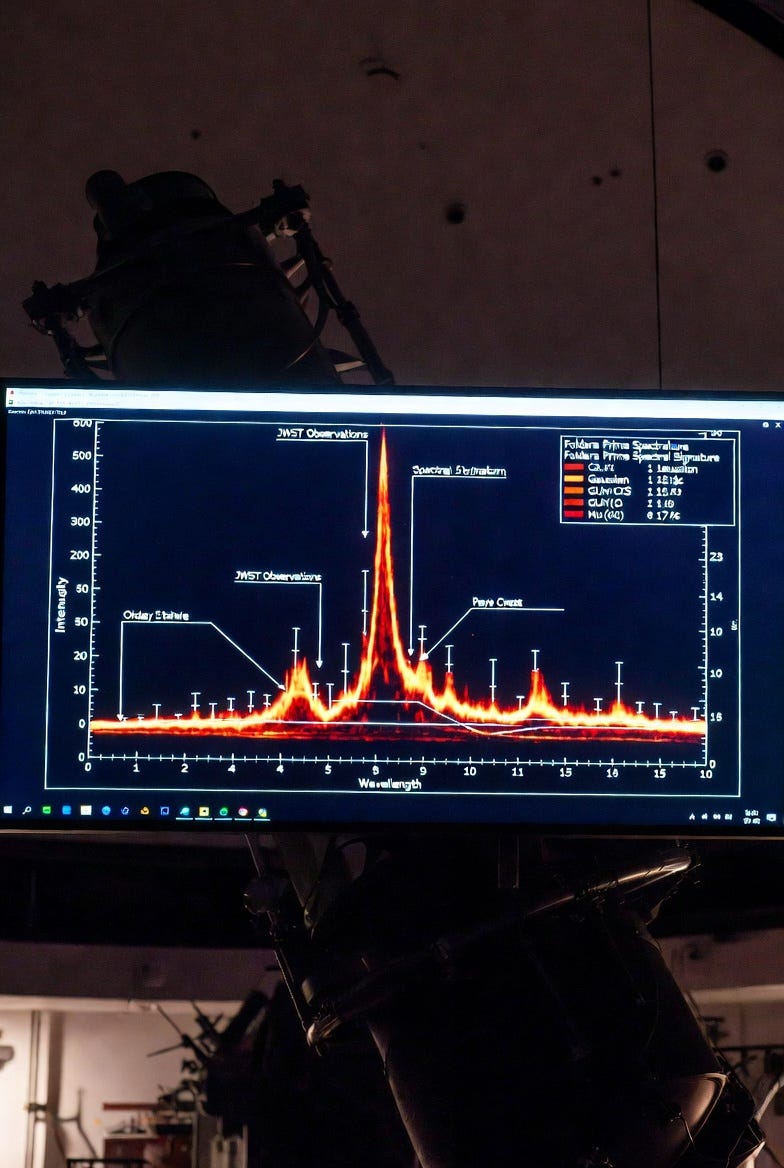
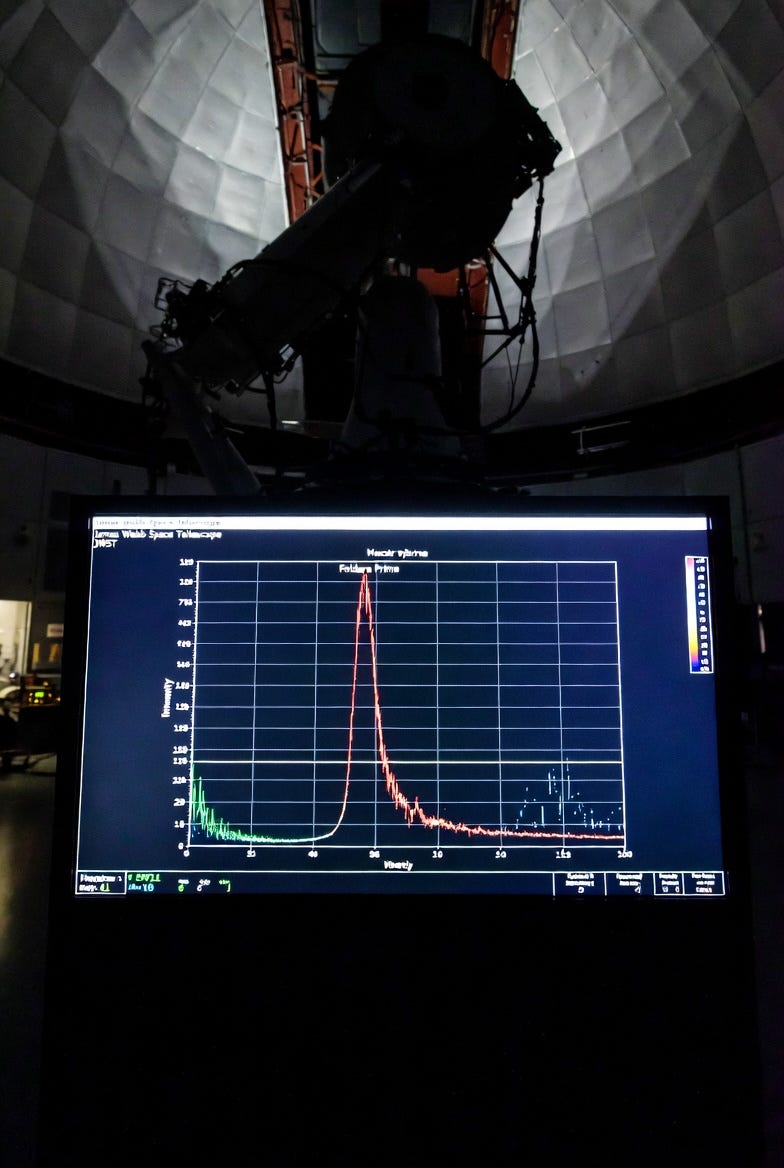
Spectroscopic data from JWST showed the system's habitable planet, Foldara Prime, wasn't a rocky world like Earth or a gas giant like Jupiter. Instead, it appeared to be a megastructure—a colossal, self-assembling lattice built from trillions of nanotech "origami" modules.
Imagine this: Each module is a sheet of carbon-based metamaterial, engineered at the atomic scale to fold and unfold like Japanese origami paper, but with embedded quantum computers for adaptive reshaping. These aren't just static structures; they're dynamic, responding to stellar winds and gravitational tides by reconfiguring into habitats, energy collectors, or even defensive shields.

Here’s a visualization of the nanotech "origami" modules powering Foldara Prime’s megastructure. Imagine peering through the observatory's high-resolution display, where JWST's enhanced imaging (perhaps augmented by speculative future data processing) reveals the atomic-to-macro scale beauty of this living architecture.
First, at the smallest scale: each individual module is a ultra-thin, carbon-based metamaterial sheet—think graphene-like lattices interwoven with engineered defects and embedded quantum dot arrays acting as tiny, distributed quantum processors.
The planet's "surface" could shift from a smooth, reflective orb (to harvest solar energy efficiently) to a fractal landscape of valleys and spires for atmospheric processing. Theorists speculate this tech evolved from an ancient civilization's attempt to survive a dying star—perhaps they "printed" their world from asteroid resources, using von Neumann probes to self-replicate the nanobots across the system.
How did we "find" it? The breakthrough came when an AI neural network decoded the signals as blueprints for basic folds: a simple crane shape that, when simulated, revealed energy-efficient fusion reactors. Governments kept it under wraps at first, citing national security (you know, potential for weaponizing the tech), but leaks from whistleblowers in 2025 turned it into the biggest story since Roswell. Now, amateur astronomers worldwide are pointing their scopes at Foldara, hoping for more signals. Who knows—maybe they're watching us back, folding their way through the cosmos.
Viewing Directions from UTD Campus

For your virtual star party, let's set the observation point near the iconic "Love Jack" sculpture or the Engineering and Computer Science building, with a clear southern horizon (avoiding light pollution from downtown Dallas if possible). At 7:35 PM CST on March 4, 2026, the sky is just darkening post-twilight, with temperatures likely in the mild 50s°F—perfect for stargazing if it's clear.
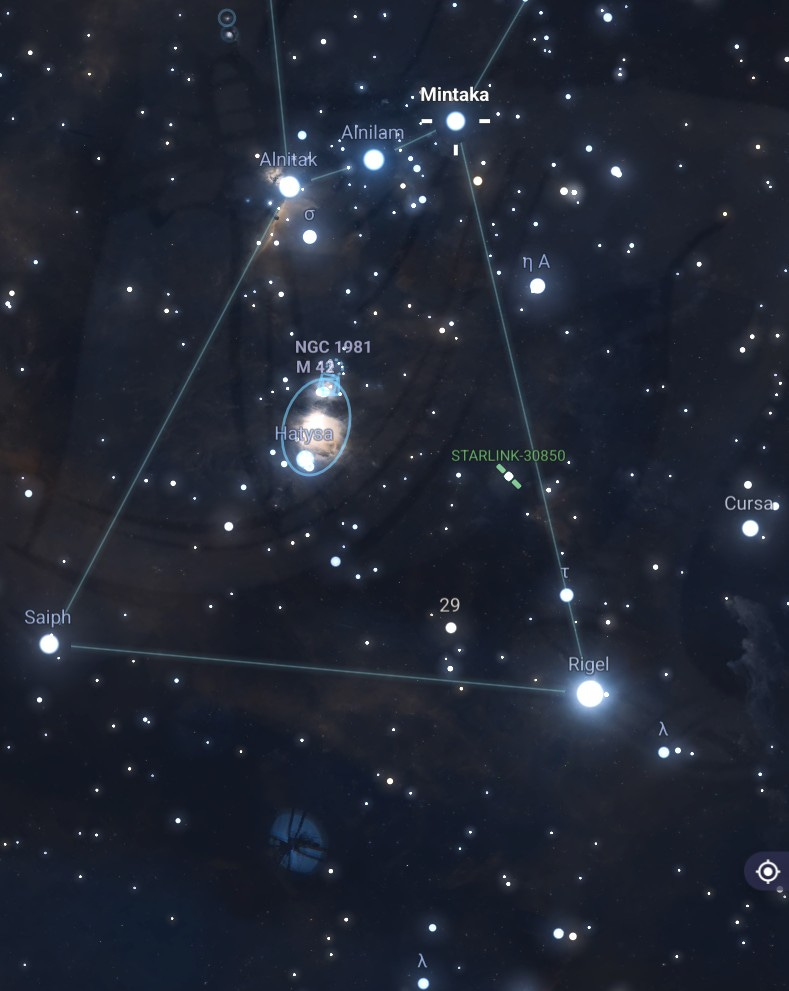
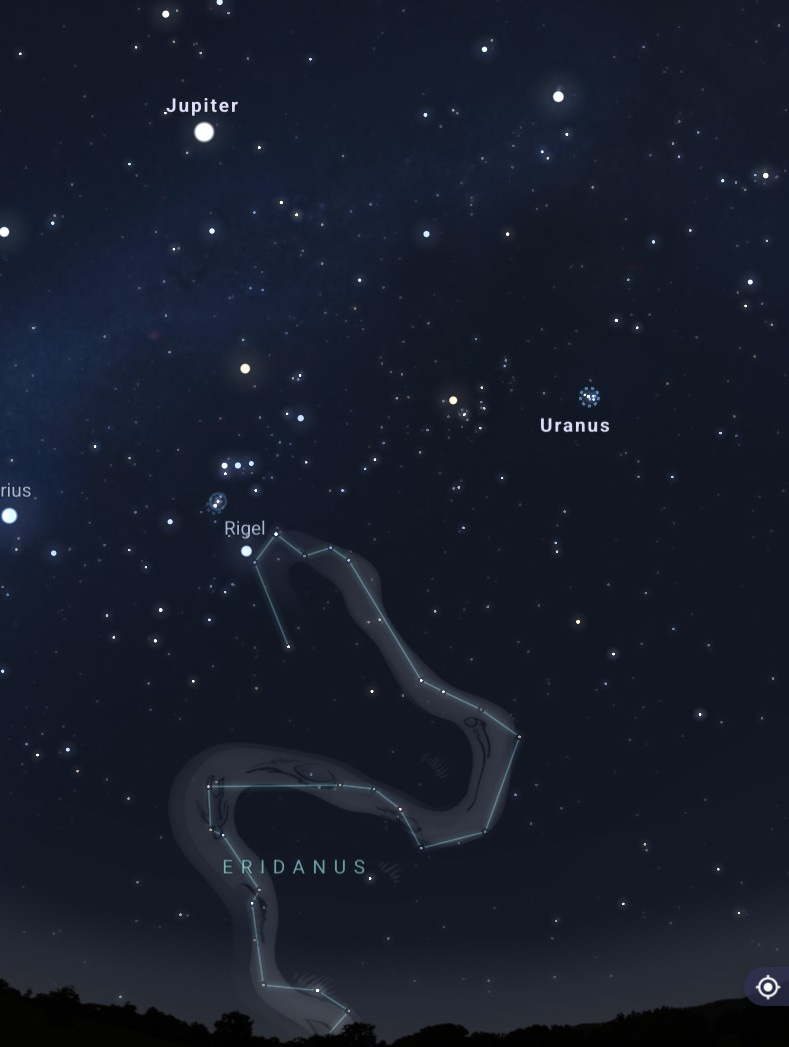
Initial Wide View: Face southwest, about 220° azimuth from true north (use a compass app for precision). You'll see the lingering winter sky dominating: The bright constellation Orion the Hunter will be prominent, sinking toward the horizon but still high enough (around 30-40° altitude) for a good look. Orion's belt—those three stars in a row (Alnitak, Alnilam, Mintaka)—acts as your anchor. Just below it, the brilliant blue-white star Sirius (in Canis Major) twinkles low, forming part of the Winter Triangle with reddish Betelgeuse (Orion's shoulder) and Procyon (in Canis Minor) to the upper left. Above Orion, look for the V-shaped Taurus with orange Aldebaran, and the Gemini twins (Castor and Pollux) higher up. The Foldara system? We found it gently folded into a wrinkle in time near Betelgeuse—imagine it as a faint, magnitude 6-7 point (visible with binoculars) about 2° northwest of that supergiant, blending into the Orion Arm of our Milky Way.
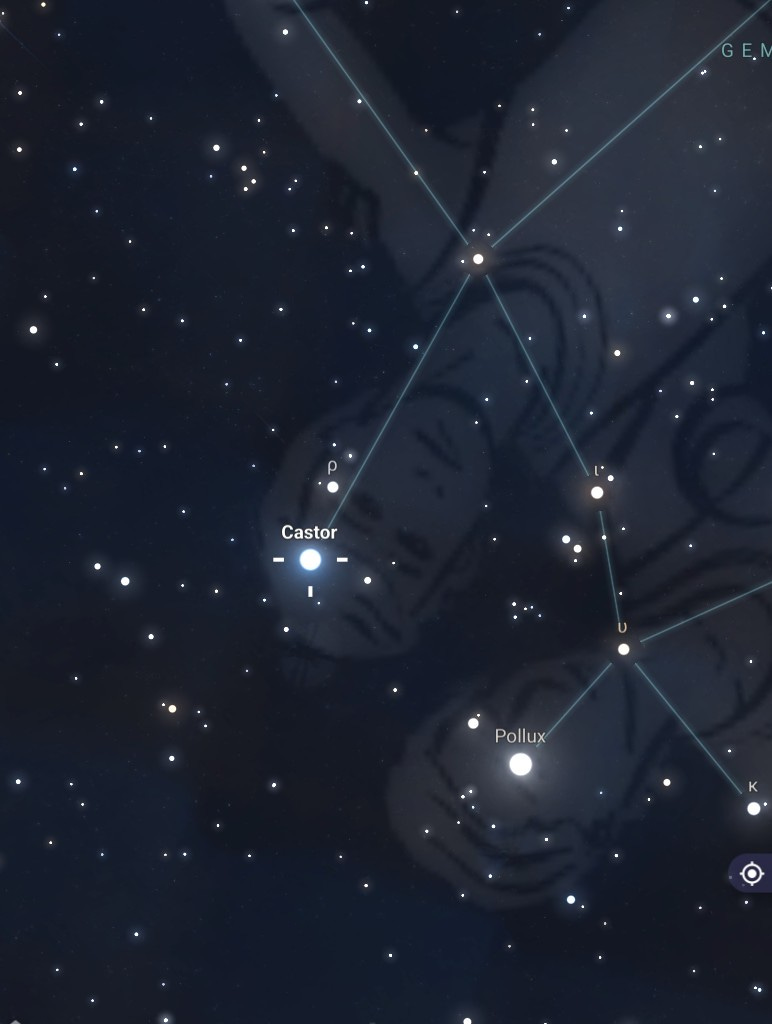
now we have a broad southwest view, with Orion, Sirius, and a marked spot for "Foldara" (we can use the coordinates as RA 05h 55m, Dec -07° 24' for Stellarium input—it's actually near Rigel, but red shifted due to folding space time and too much sake on the trip over,, it gets complicated, but the girls know what they're doing. Trust the unusual girls.
Zooming In: The Close-Up Fabrication
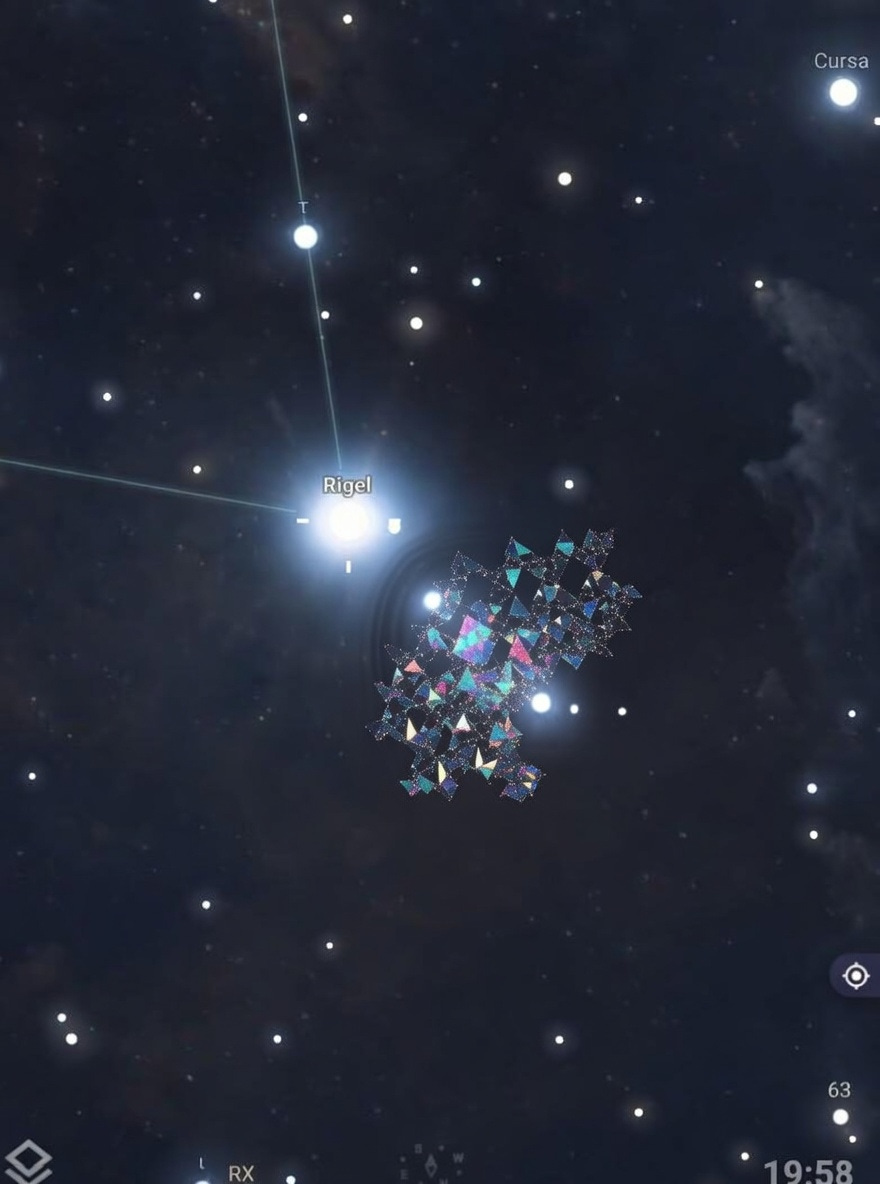
At this scale, the story deepens—reveal "details" that hint at the nanotech wonders. In our fictional overlay, you'd see the binary stars: Foldara A (a stable G-type yellow dwarf like our Sun) and Foldara B (a cooler red dwarf companion, orbiting every 50 years). The planet orbits A at about 1.2 AU, but zoom closer, and the spectral imaging from JWST shows the origami structures as iridescent patterns—hexagonal folds glowing in infrared, harvesting energy to power continent-sized quantum networks. Imagine vast "crane flocks" migrating across the surface, reconfiguring to form megacities that adapt to quakes or radiation bursts. Deeper analysis? The nanobots might be alive—symbiotic with biological hosts, blurring the line between machine and life. If we ever send a probe (hello, Starship fleets), we'd find artifacts: Folded probes that unfold into communicators upon arrival, inviting us to "join the fold."

